Jun 26, 2026
Construction Insights: A Practical Guide to Using Trench Steel Formwork
Trench excavation and concrete pouring are the backbones of infrastructure projects. While it might seem straightforward, neglecting the details during formwork assembly and pouring can easily lead to
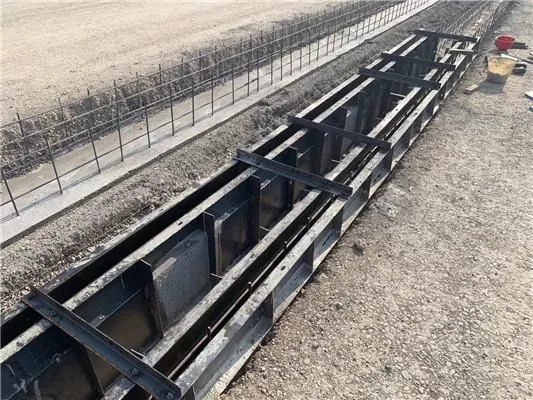
Trench excavation and concrete pouring are the backbones of infrastructure projects. While it might seem straightforward, neglecting the details during formwork assembly and pouring can easily lead to grout leakage, formwork bulging (blowouts), or a rough concrete finish.
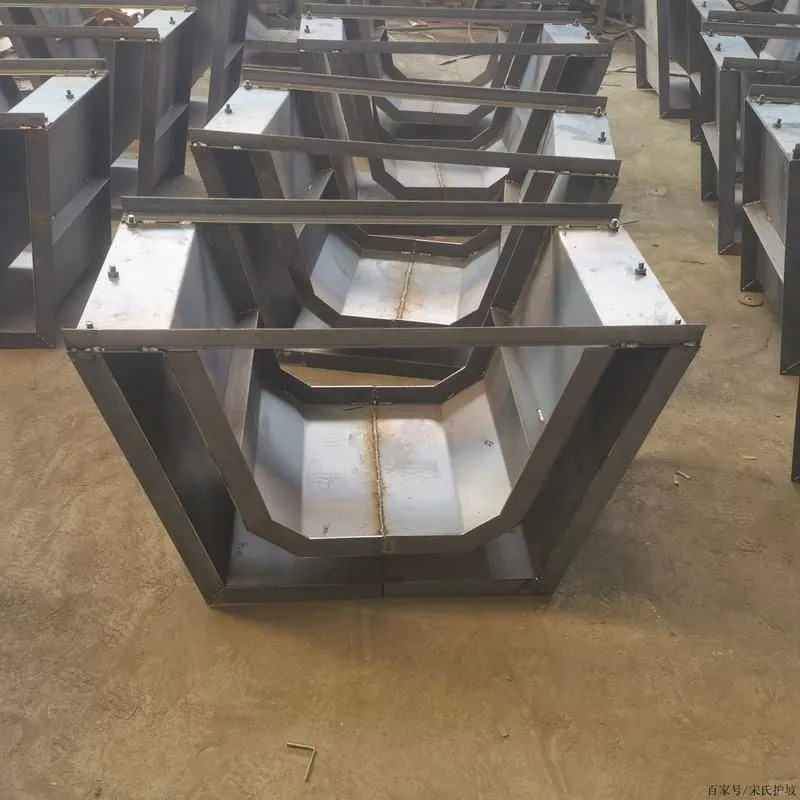
To achieve that perfect "fair-faced" concrete standard efficiently, a standardized operation process is non-negotiable. Here is our practical, step-by-step guide to mastering trench steel formwork on your site:
Phase 1: Groundwork & "Zero-Gap" Assembly
Most formwork deformations or blowouts stem from mistakes made before the concrete even arrives.
- Level the Base: Before erecting the forms, ensure the trench base is perfectly leveled and compacted. Uneven ground leads to tilted panels and dangerous, uneven stress distribution.
- Tight Joints are Mandatory: Position the steel panels according to your engineering drawings. The golden rule here is "Zero-Gap" joints. Lock adjacent panels tightly using the designated U-clips or bolts. Remember: if you can see a gap with your naked eye, the grout will leak during vibration.
Phase 2: The Release Agent – Never Skip It
Never pour concrete directly against dry steel formwork just to save time.
- Before the pour, evenly apply a dedicated formwork release agent (or form oil) to the inner walls of the panels. Just like greasing a baking pan, this prevents the cement from bonding to the steel. It ensures a silky-smooth stripping process later and is the secret to a flawless, smooth concrete surface.
Phase 3: Pouring & Vibrating (The Heavy Lifting)
This phase tests your site control. It requires a steady pace and thorough execution.
- Controlled, Layered Pouring: Don't dump all the concrete into the trench at once. Control the pouring speed and pour in layers. This prevents a sudden buildup of massive lateral pressure that could burst the formwork at the bottom.
- Thorough Vibrating: Fresh concrete traps a lot of air. Use concrete vibrators systematically to drive out all the air bubbles. Doing this right is the only way to avoid ugly "honeycombing" (surface voids) when you remove the molds.
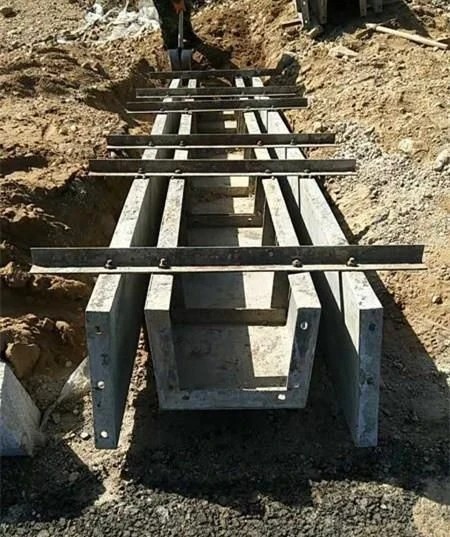
Phase 4: Curing is Crucial
Pouring the concrete is only half the job.
- Cement hardening is a hydration reaction. Depending on the weather, cover the fresh concrete and spray it with water to keep the surface moist. If left to dry wildly under a hot sun, the surface will quickly develop shrinkage cracks, compromising the structural integrity.
Phase 5: Safe Stripping & Asset Maintenance
Steel formwork is a high-value, reusable asset. How you strip and clean it directly dictates your Return on Investment (ROI).
- Timing is Everything: Wait until the concrete reaches the required design strength before stripping the forms in the correct sequence. Never use a crowbar to forcefully pry off forms early just to rush the schedule; this will shatter the sharp corners of your new trench.
- Clean Immediately: Once removed, clean off the residual cement and old release agent while they are still relatively soft. Stack the panels neatly. With proper maintenance, a high-quality set of steel formwork can easily withstand hundreds of pouring cycles.
👷♂️ Engineer's Safety Tip:
Different trench specifications and formwork types (lightweight vs. heavy-duty) require different clip spacing, waler arrangements, and load calculations. Always consult the product's technical manual or have a structural engineer brief the site team before starting. Safety and quality must always come first.