Sep 15, 2026Project Case Studies
Ditching Plywood? A Deep Dive: Is Steel Formwork a Construction Game-Changer or a Costly Hassle?
If building a structure is like baking a giant cake, then wet concrete is the batter, and the "formwork" is the baking pan that makes or breaks the final result. For the longest time, timber and plywo
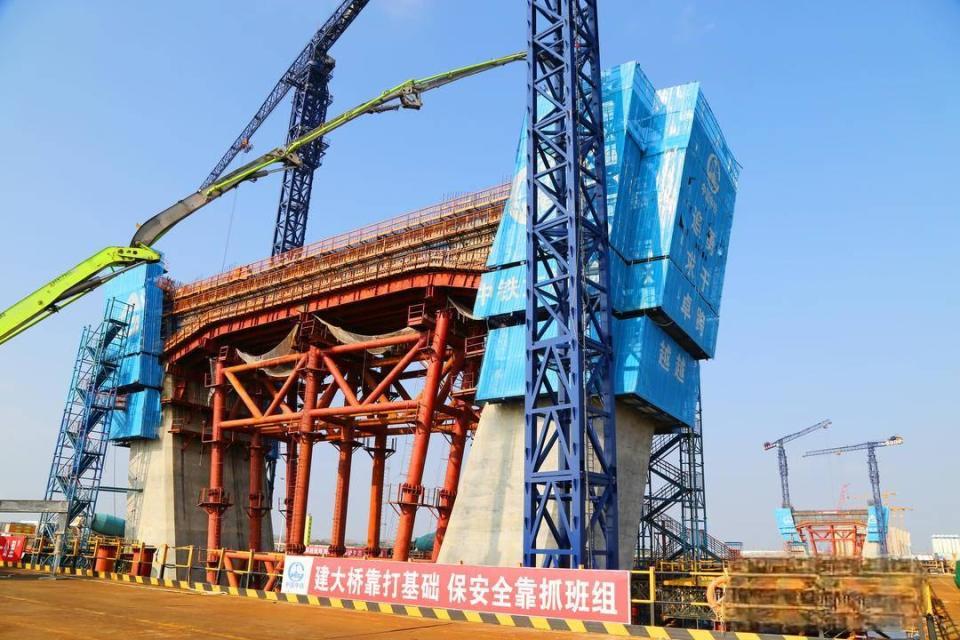
If building a structure is like baking a giant cake, then wet concrete is the batter, and the "formwork" is the baking pan that makes or breaks the final result.
For the longest time, timber and plywood were the undisputed kings of the job site. But as projects scale up and quality standards tighten, Steel Formwork is showing up on more and more sites.
A lot of contractors and project managers are on the fence: the system looks incredibly professional, but that upfront cost is hard to swallow. Is it really worth the switch? Today, we’re skipping the manufacturer sales pitches and breaking down the real, on-the-ground pros and cons of using steel formwork.
🟢 Why is Steel Formwork Gaining So Much Traction?
1. Ultimate Durability and Reusability (Playing the Long Game) Timber forms might survive a dozen pours before the edges fray, the wood swells, and they warp into uselessness. Steel, on the other hand, is built tough. If maintained well, you can get hundreds—sometimes over a thousand—uses out of a single panel. For massive projects with long timelines and repetitive floors (like high-rises or bridge piers), amortizing that cost across hundreds of pours makes it incredibly cost-effective.
2. Maximum Strength, Zero "Blowout" Anxiety The lateral pressure of wet concrete during a pour is immense. If timber forms aren't braced perfectly, you risk warping or even a disastrous concrete blowout. Steel formwork boasts incredible rigidity and load-bearing capacity. It handles large-volume, high-drop concrete pours without breaking a sweat, ensuring the structural dimensions are spot-on every single time.
3. Flawless Finish Right Out of the Mold This is a massive win for contractors. Concrete cast in steel formwork comes out incredibly smooth and flat, with minimal joint seams. It often hits the standard for "fair-faced" or architectural concrete right off the bat. This means you can entirely skip the interior plastering phase, saving time, materials, and labor, while eliminating the future headache of hollow or peeling plaster.
4. Standardized Assembly: Like Giant Legos for Builders Modern steel formwork systems are highly modular, utilizing standardized connectors like pins, wedges, and U-clips. Crews don't need to spend hours cutting wood and hammering nails on-site. Once the team gets the hang of the system, assembly and stripping (removal) are incredibly fast, shaving serious time off your project schedule.
🔴 What Are the Dealbreakers?
There's no such thing as a perfect building material, and steel formwork's drawbacks are just as prominent as its benefits.
1. The "Sticker Shock" Upfront Cost Let’s be real: buying or renting steel formwork requires a massive initial capital outlay. If you’re just pouring a custom two-story residential build or dealing with wildly irregular, one-off architecture, steel is massive overkill. You’ll simply never recoup the investment on a short, non-repetitive run.
2. Heavyweight Champion: Highly Dependent on Cranes Steel is heavy. Unlike a sheet of plywood that a worker can tuck under their arm, moving, assembling, and flying steel panels requires a tower crane or mobile crane almost every step of the way. If your site has a tight footprint, or your crane time is already maxed out moving other materials, steel formwork can actually become a bottleneck that slows you down.
3. Inflexible for Custom Shapes Plywood’s greatest strength is its flexibility—if you hit a weird angle, a circular saw solves it in seconds. Steel panels, however, have fixed dimensions. If your architectural design includes a lot of irregular corners, curves, or non-standard structural elements, you can't just hack a steel panel to fit on-site. You'll need custom fabrication from the manufacturer, which eats up both time and budget.
4. Rust Never Sleeps (High Maintenance) The natural enemy of steel is moisture. Every single time you strip the forms, they need to be thoroughly scraped clean of concrete residue and properly coated with form release agents or anti-rust oil. If you leave them sitting unprotected in a damp yard, they’ll quickly rust out. Rusty panels ruin the concrete finish and drastically shorten the lifespan of the expensive formwork itself.
💡 Should You Use It?
Steel formwork is a fantastic system, but it's not a silver bullet for every job. Before taking the plunge, weigh these three factors:
- Project Repetition: Highly recommended for super high-rises, industrial plants, or projects with standardized columns and repetitive floor plans.
- Cash Flow & Longevity: Worth the investment if you have the upfront capital and a pipeline of future projects to keep the formwork in continuous rotation.
- Crane Availability: Viable if you have excellent crane coverage and scheduling. If your site relies heavily on manual labor, stick to lighter systems (like timber, plastic, or aluminum).
Ultimately, successful construction isn't about using the most expensive or newest materials on the market—it's about finding that perfect sweet spot between quality, speed, and budget.