Oct 29, 2026Project Case Studies
How Bridge Steel Formwork Is Manufactured: From Drawings to Site-Ready Panels
Learn how Hyson Industry turns bridge formwork drawings into site-ready steel panels through precision cutting, professional welding, joint inspection, and factory pre-assembly.
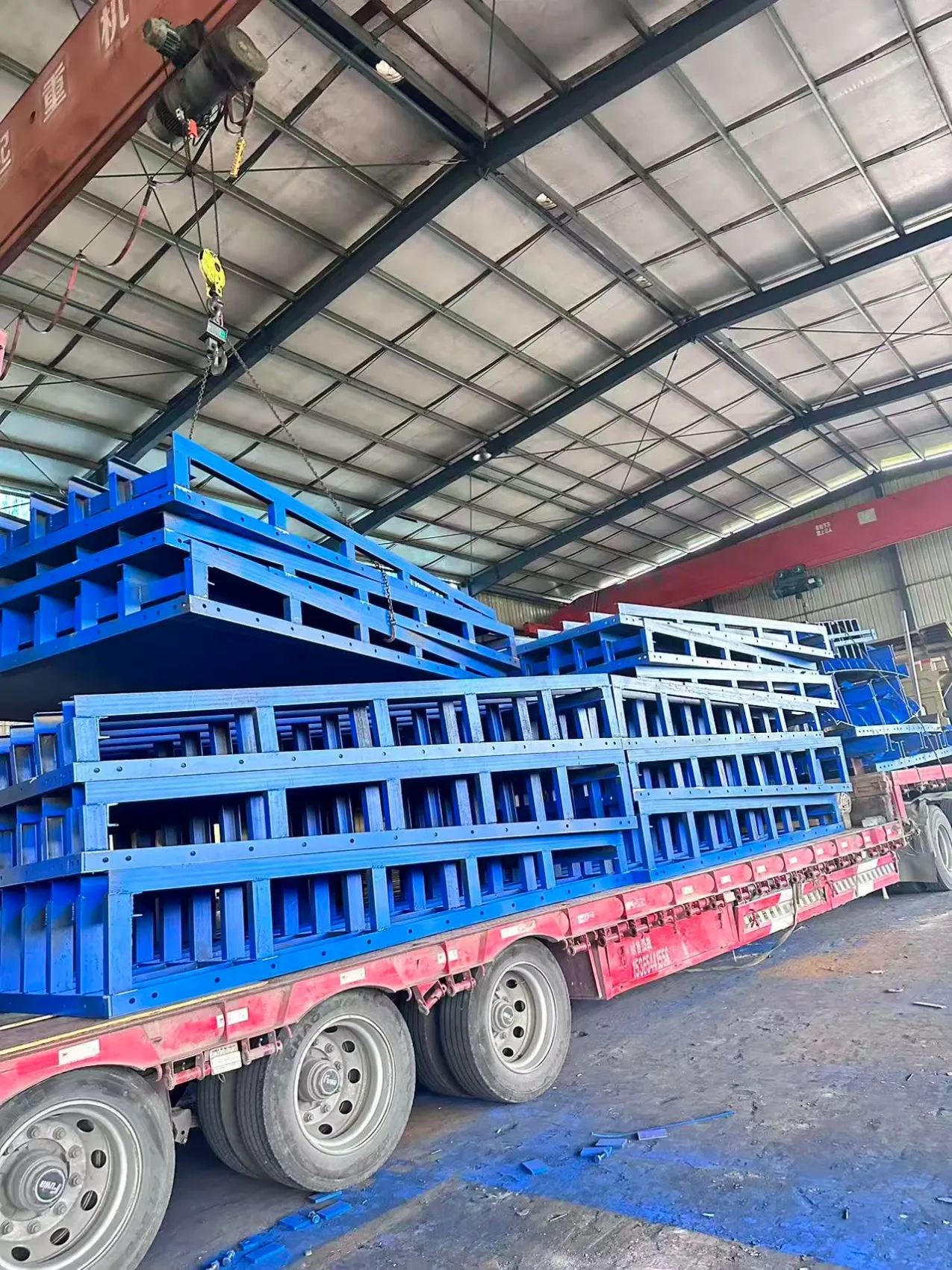
Good Bridge Formwork Starts Before the Steel Is Cut
A bridge formwork project rarely begins with a standard product on a warehouse shelf. Most bridge structures have their own dimensions, curves, reinforcement layout, pouring sequence, and site limitations. The formwork has to fit that reality.
At Hyson Industry, the manufacturing process starts with the project drawings and construction requirements. Before production, our engineering team reviews the concrete shape, connection method, expected load, lifting conditions, and the way the panels will be assembled and removed on site.
This early review is important. A formwork system can look simple on paper but become difficult to install if the joints, lifting points, or component sizes do not match the actual construction method.
Step 1: Reviewing Drawings and Building the Formwork Plan
The first step is to translate the bridge drawing into a practical formwork structure. Depending on the project, this may involve pier formwork, pier cap formwork, wall formwork, cylindrical formwork, T-beam formwork, or another custom steel solution.
The design needs to answer several practical questions:
- What concrete shape must the formwork create?
- How will the formwork be supported during pouring?
- Where should the connection points and access areas be located?
- How large can each module be for lifting and transport?
- Which components need to be adjustable or removable?
The objective is not simply to produce a steel shell. It is to create a system that workers can understand, assemble, use, strip, and maintain on a real construction site.
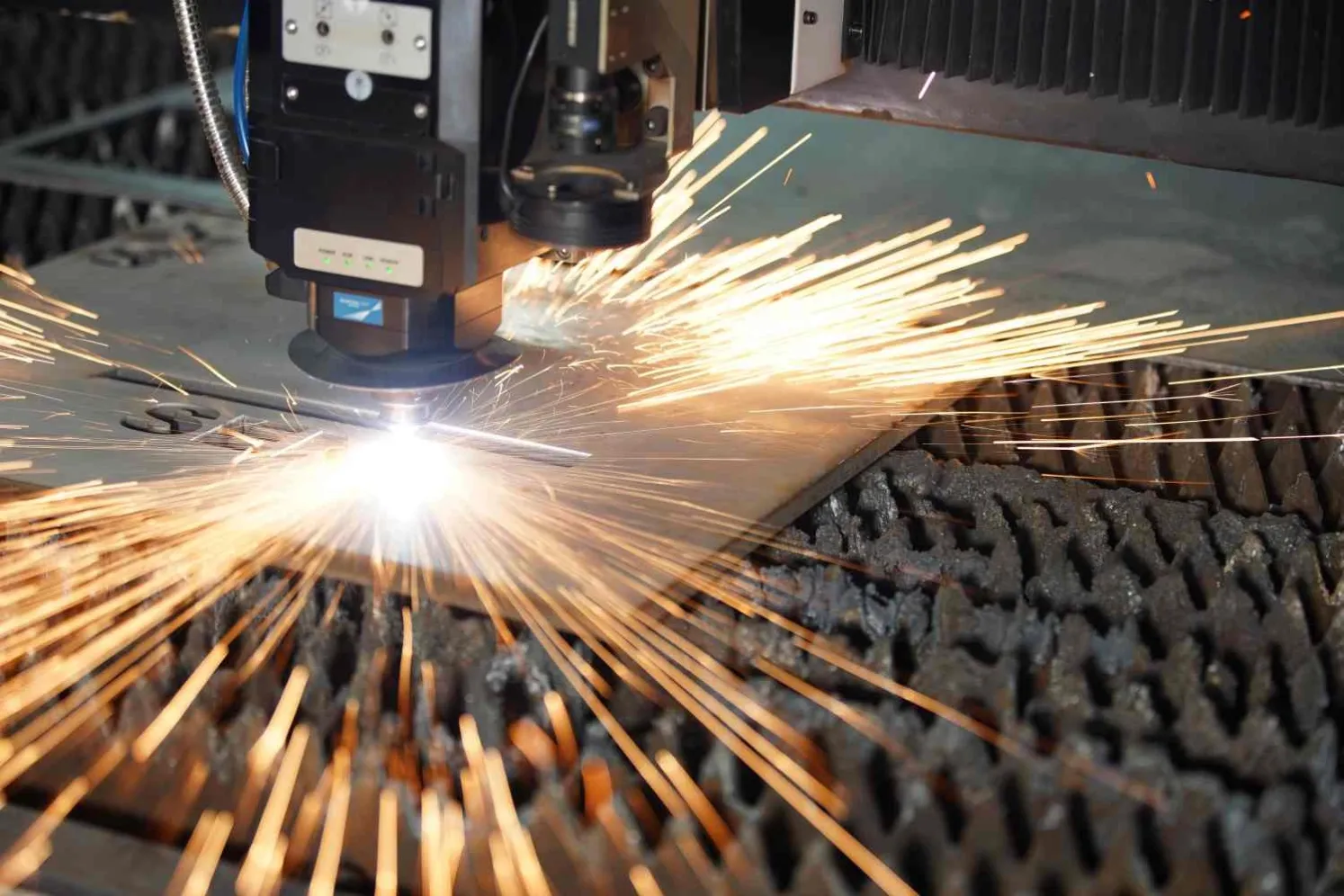
Step 2: Precision Cutting of Steel Plates and Components
Once the design is confirmed, the steel plates and structural components are cut according to the approved drawings. CNC cutting helps improve edge accuracy and makes it easier to keep repeated components consistent.
For bridge formwork, accuracy at this stage affects everything that follows. If a plate is cut incorrectly, the error can appear later as a misaligned flange, an uneven joint, or a panel that requires force to fit during assembly.
The face sheet also deserves careful attention. A stable and reasonably flat surface supports a more consistent concrete finish, especially when the finished concrete will remain visible or require limited secondary treatment.
Step 3: Jig Assembly and Professional Welding
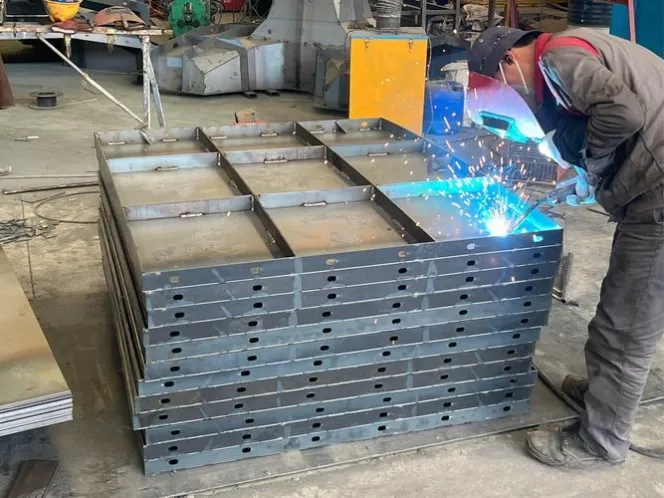
After cutting, the face sheets, ribs, flanges, stiffeners, and supporting members are positioned for assembly. Large working platforms and jigs help control straightness, flatness, and the relative position of the main components.
Welding is not only about joining two pieces of steel. The sequence and control of welding can influence distortion and the final geometry of the formwork. That is why the welding process needs to be carried out by trained workers using a controlled production method.
Hyson Industry's public manufacturing information highlights professional welding and quality control for critical welds. Depending on the project requirements, inspection may include visual checks and other non-destructive testing arrangements specified by the project or buyer.
The purpose is straightforward: the finished formwork needs to keep its shape and carry out its intended work during concrete placement.
Step 4: Checking Joints, Stiffeners, and Connection Points
Before surface treatment, the formwork is checked as a complete structure. The team reviews the panel dimensions, joint alignment, connection holes, stiffener position, lifting points, and areas that may affect installation.
Joints are especially important. Poorly aligned or insufficiently closed joints can lead to grout leakage and an uneven concrete surface. On bridge projects, this can create additional cleaning, repair, or inspection work after demolding.
For pier cap and wall formwork, stiffeners and trusses are designed to help the panels maintain their shape under the pressure associated with concrete pouring. The final arrangement should be matched to the project design rather than selected only by appearance.
Step 5: Surface Treatment and Protection
After inspection, the formwork may receive the surface treatment specified for the project, such as anti-rust oil, paint, powder coating, or galvanizing where applicable.
The treatment is selected according to the intended use, storage conditions, transport distance, and maintenance plan. The face surface also needs to be prepared so that concrete can be placed and demolded with a consistent result.
Surface treatment does not replace good manufacturing. It is the final layer of protection applied after the formwork geometry, welds, joints, and structure have been checked.
Step 6: Factory Pre-Assembly Before Shipment
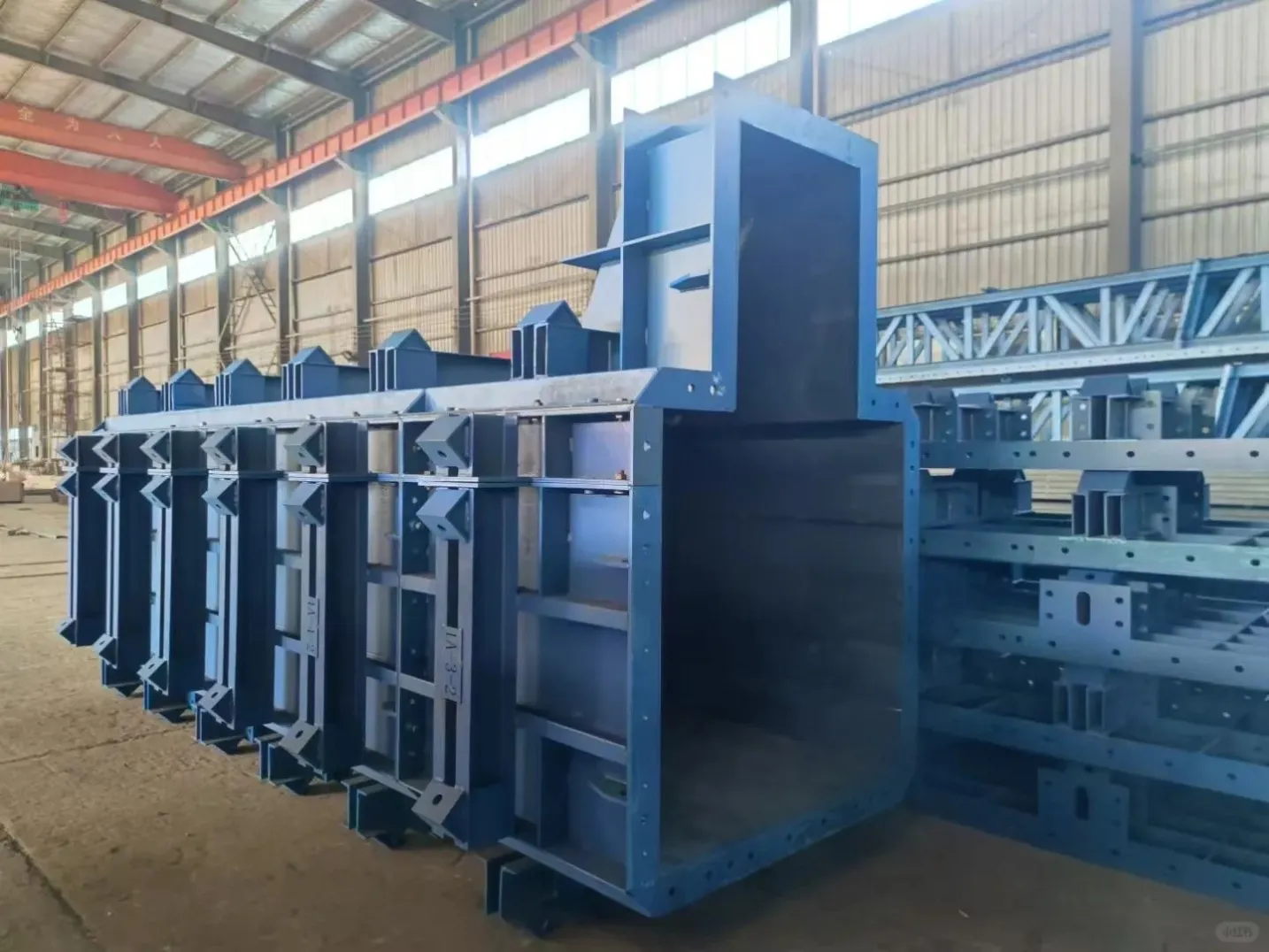
One of the most useful checks is to assemble the formwork before it leaves the factory. Pre-assembly allows the manufacturer to confirm that the components fit together, the connection points align, and the installation sequence is practical.
It also gives the buyer an opportunity to identify questions before the formwork reaches the construction site. Components can be marked, grouped, and prepared for packing so that the site team can identify them more easily after delivery.
For custom bridge formwork, this step can prevent a costly surprise: lifting a large steel panel on site only to discover that a connection needs modification.
Choosing a Bridge Formwork Manufacturing Partner
When comparing suppliers, buyers should look beyond the quotation price. Ask how the supplier reviews drawings, controls cutting and welding, checks critical dimensions, handles pre-assembly, and prepares the formwork for overseas delivery.
A reliable bridge formwork manufacturer should be able to explain the process clearly and show how the product moves from engineering review to finished steel system.
Hyson Industry provides steel formwork, scaffolding, steel structures, and precision metal fabrication for infrastructure and industrial projects. If you are planning a bridge, pier, precast, or highway project, send us your drawings and construction requirements for a technical discussion.
Need custom bridge steel formwork? Contact Hyson Industry to discuss your drawings, construction method, and delivery requirements.