Sep 15, 2026Company News & Events
How Heavy-Duty Steel Formwork is Manufactured
Step inside Hyson Industry's facility to see how precision steel formwork is made. Discover the 3 vital manufacturing steps, featuring expert manual welding, that ensure perfect concrete finishes.
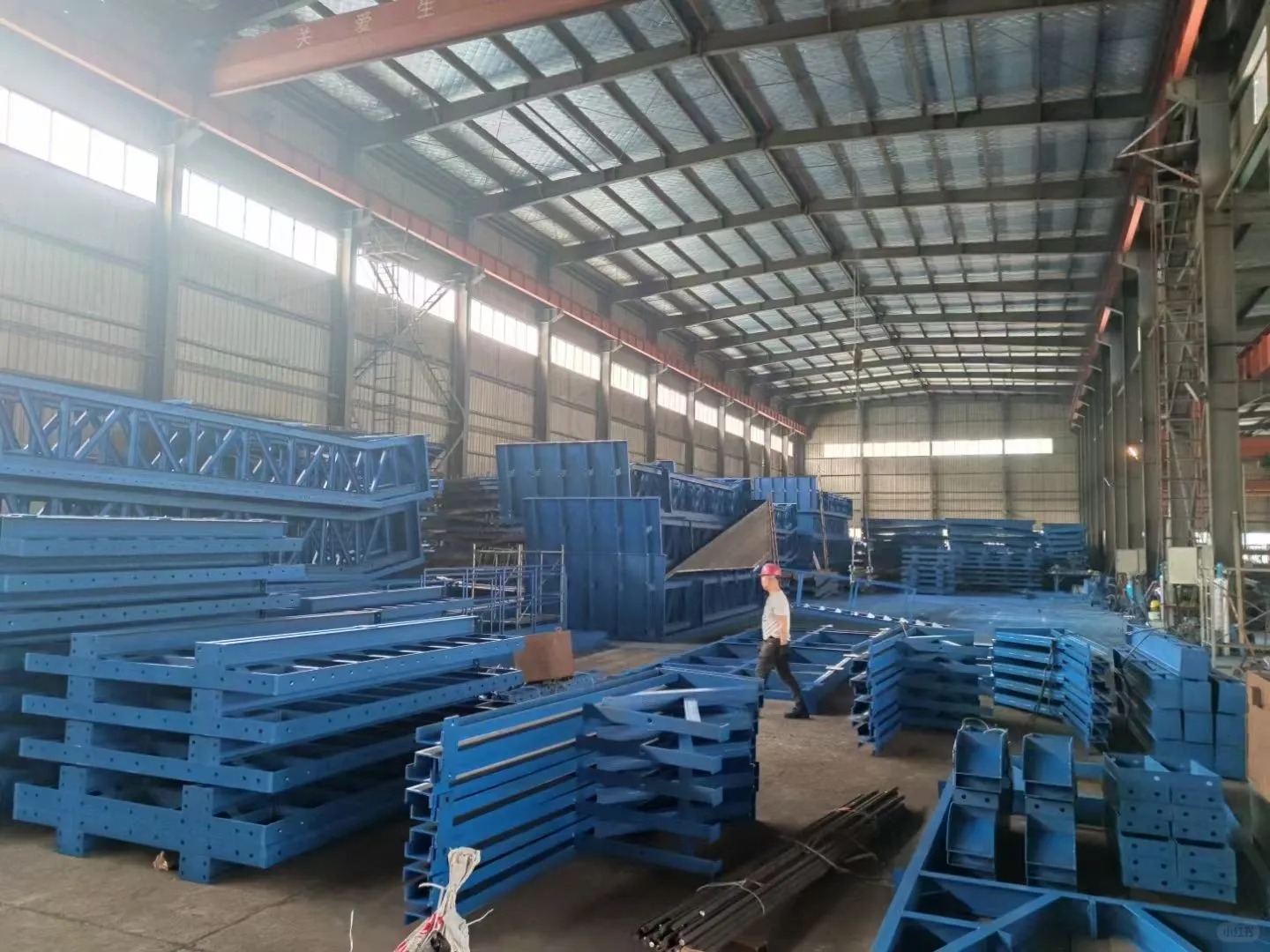
We often marvel at the majestic spans of sea bridges and towering infrastructures, but rarely do we think about the unseen hero that shapes these concrete giants: Steel Formwork.
Acting as the "exoskeleton" of a construction project, the quality of the steel mold directly dictates the structural integrity and aesthetic finish of the concrete. Today, we are taking you inside Hyson Industry's manufacturing facility to break down the 3 critical steps of turning raw steel into heavy-duty formwork.
1. CNC Laser Cutting: Precision from the Start
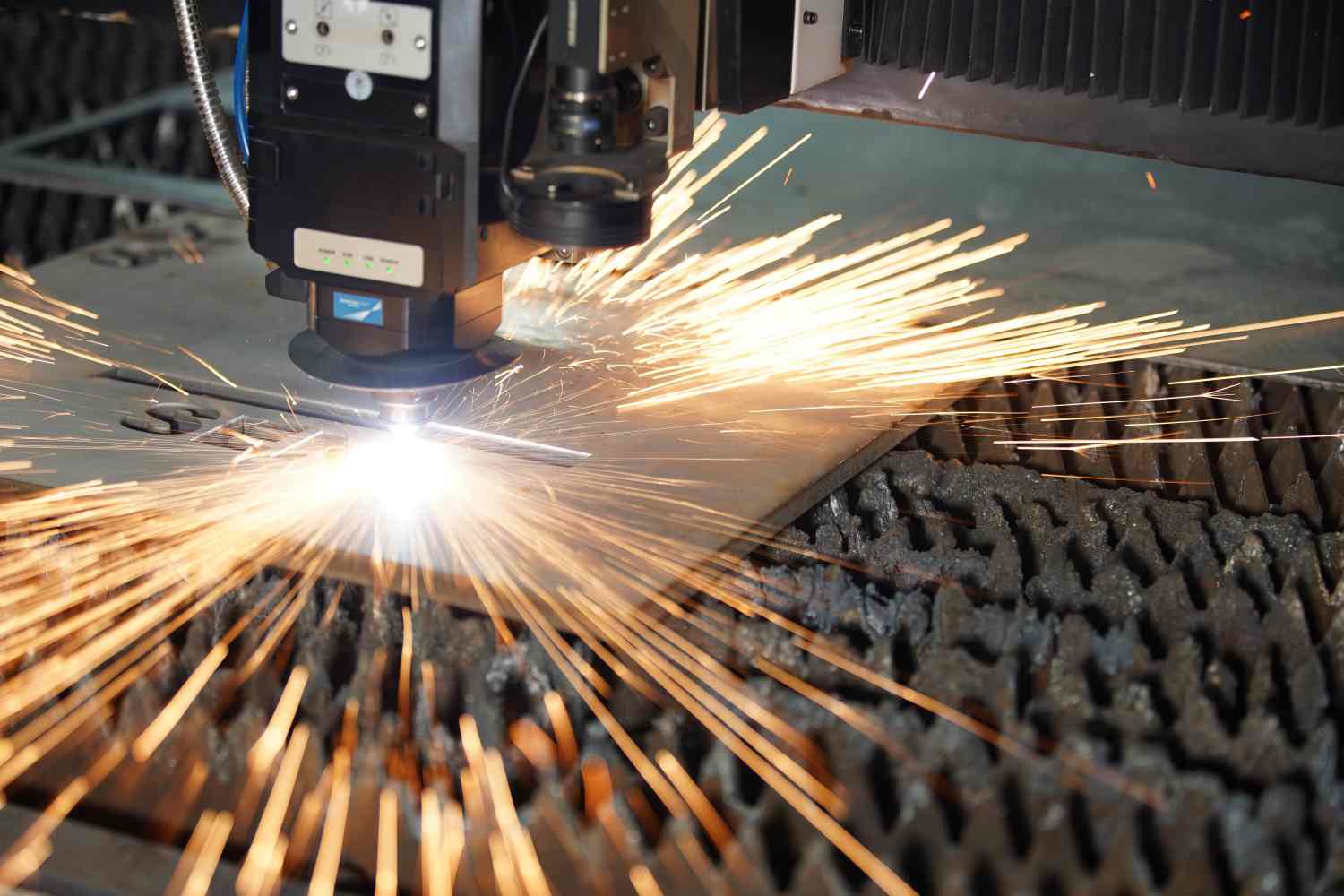
Building formwork is like assembling giant Lego blocks; it requires perfect initial dimensions. Instead of traditional mechanical shearing which can cause edge warping, we utilize high-power CNC laser cutting. This ensures the Q235/Q345 steel plates are cut with millimeter accuracy and the edges remain flawlessly smooth. The result? A "zero-gap" assembly on the job site that completely eliminates the risk of grout leakage.
2. Master Craftsmanship: 100% Manual Precision Welding
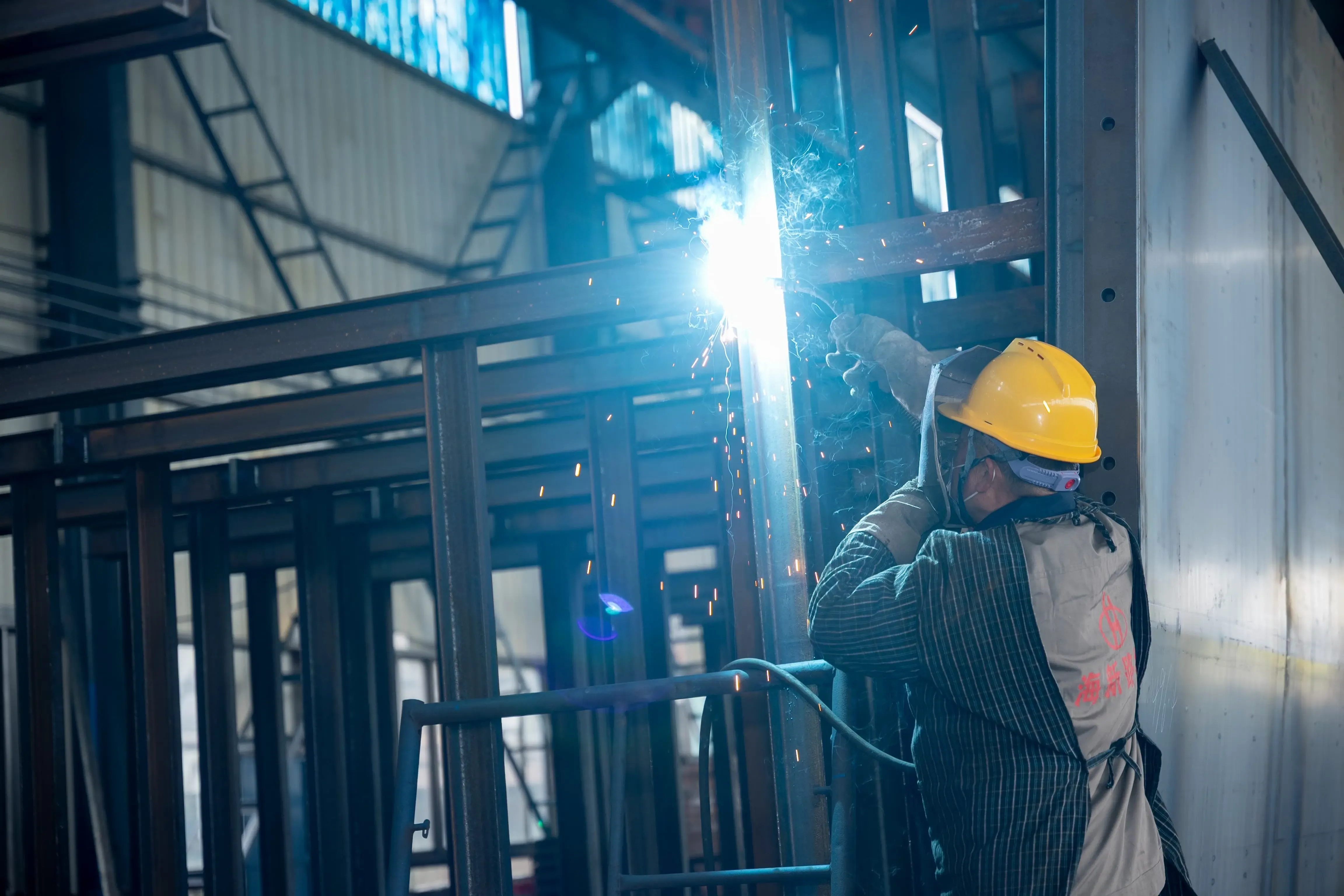
Once the faceplates and reinforcing ribs are aligned, they move to the most critical stage. Unlike automated lines that rely on robotic arms, our core structural welds are performed entirely by seasoned, certified manual welders. Why manual welding? For complex bridge pier formwork or irregularly shaped tetrapod molds, experienced human welders provide unmatched adaptability. They can intuitively adjust their technique to ensure deep penetration and uniform, robust welds at every stress point. This hands-on craftsmanship guarantees the mold will withstand the immense hydrostatic pressure of wet concrete without yielding.
3. Surface Treatment: Sandblasting & Anti-Rust Coating
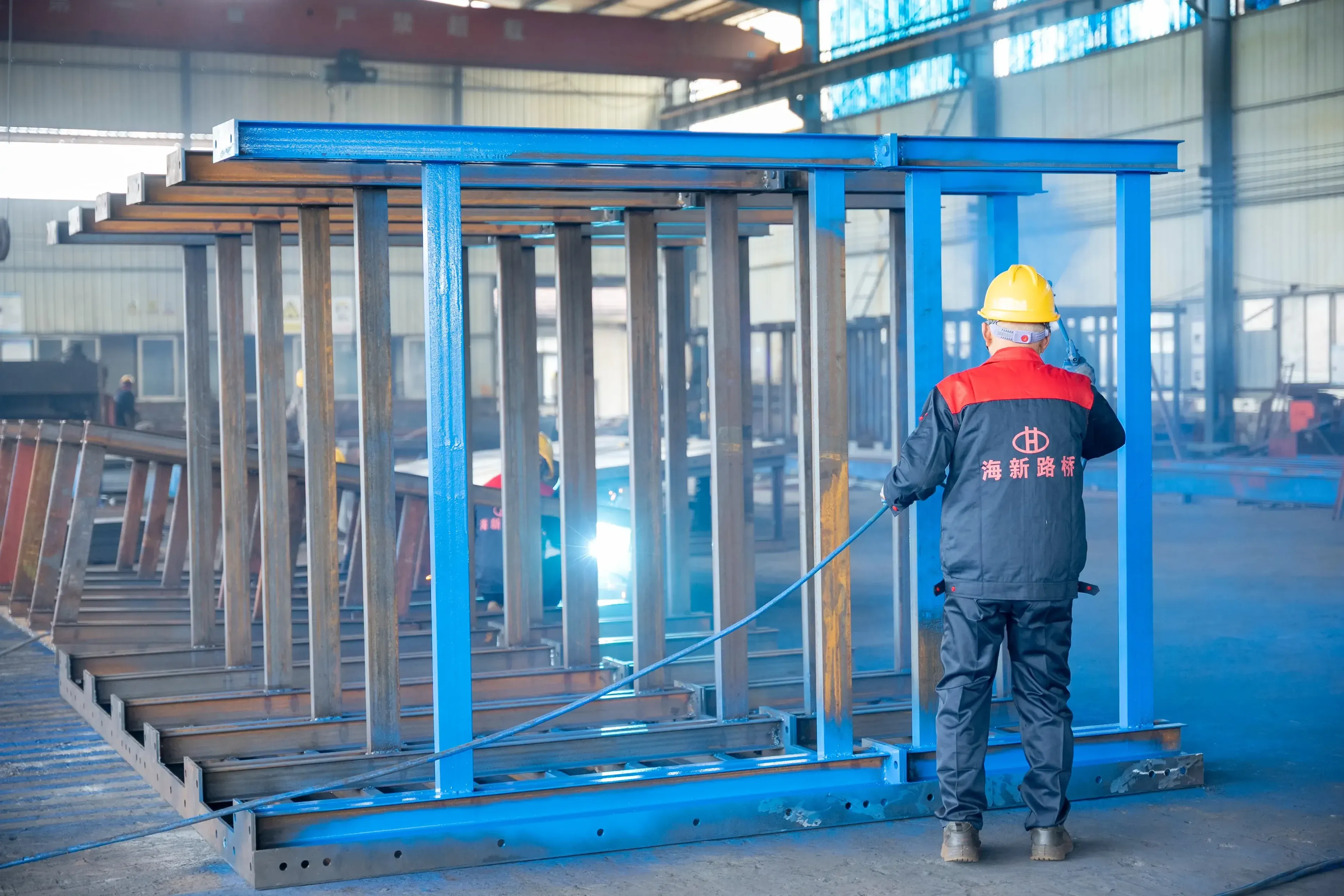
After welding, the formwork undergoes rigorous grinding and sandblasting to remove any slag or oxidation. Finally, it receives a heavy-duty industrial anti-rust primer and topcoat. This not only extends the lifespan of the formwork in harsh outdoor environments but also ensures a silky-smooth release, leaving behind a perfect "fair-faced" concrete finish.
Why Do Major Contractors Prefer Steel Formwork?
- Unmatched Reusability (Maximum ROI): While timber/plywood forms degrade after a few pours, properly maintained Hyson steel formwork can withstand hundreds of cycles, making it the most cost-effective and sustainable choice long-term.
- Perfect Concrete Finish: The exceptional flatness and rigidity mean the concrete requires zero post-plastering or patching once the mold is stripped, accelerating your project schedule.
- Built for Heavy Loads: From towering bridge piers to deep-sea breakwaters, steel possesses the ultimate structural rigidity to handle complex, heavy-duty pours safely.
Looking for a reliable manufacturing partner for your next infrastructure project? 👉 Contact Hyson Industry today for custom engineering and competitive factory-direct pricing.