Sep 15, 2026Project Case Studies
How Tetrapod Breakwater Molds are Engineered
Discover how heavy-duty steel Tetrapod molds are manufactured for coastal defense. From 1-ton to 25-ton concrete blocks, Hyson Industry delivers precision, strength, and easy operation.
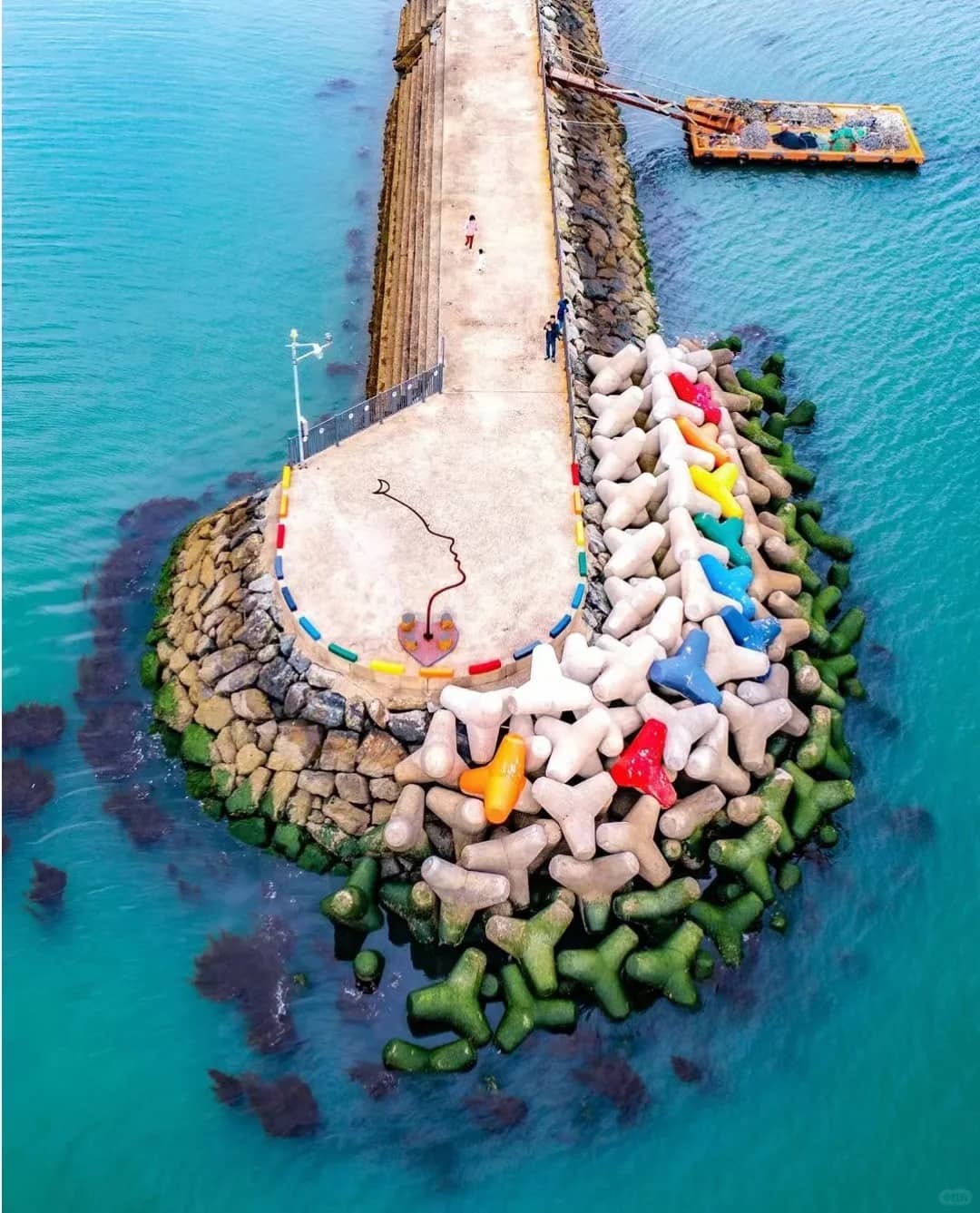
The First Line of Coastal Defense
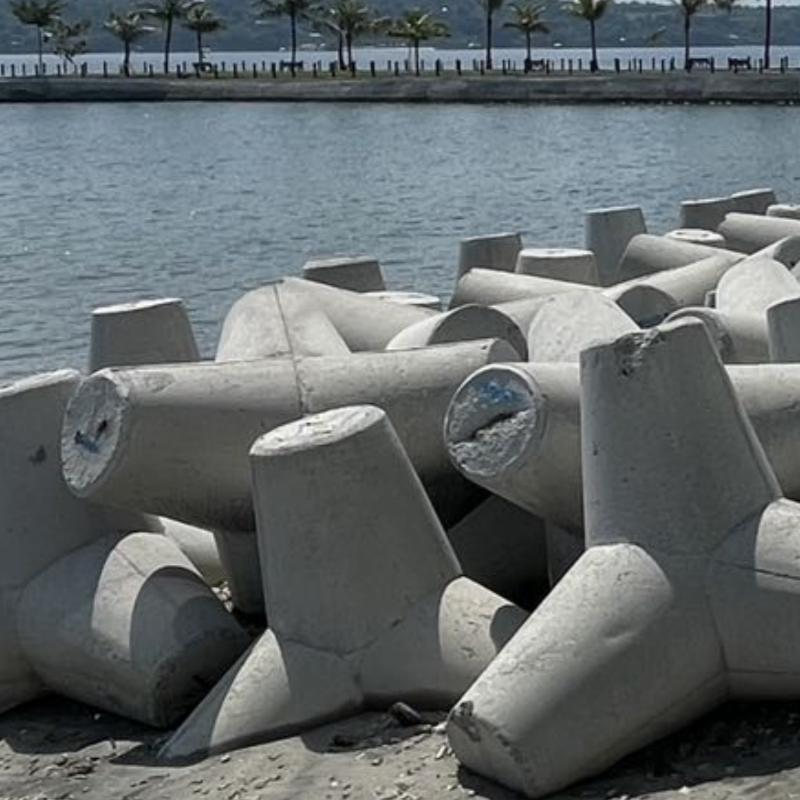
If you have ever stood by a seaport or a coastal highway, you have likely seen them: massive, four-legged concrete giants interlocked along the shoreline. These are Tetrapods (wave-dissipating blocks), and they carry the heavy responsibility of absorbing the relentless impact of ocean waves to prevent coastal erosion.
But before these blocks—often weighing tens of tons—can protect the coast, they must be cast. And casting a massive concrete behemoth requires an incredibly robust, precision-engineered steel shell. Today, we are taking you behind the scenes to show you exactly how Tetrapod Breakwater Molds are manufactured.
1. Engineering the Mold: Fighting Hydrostatic Pressure
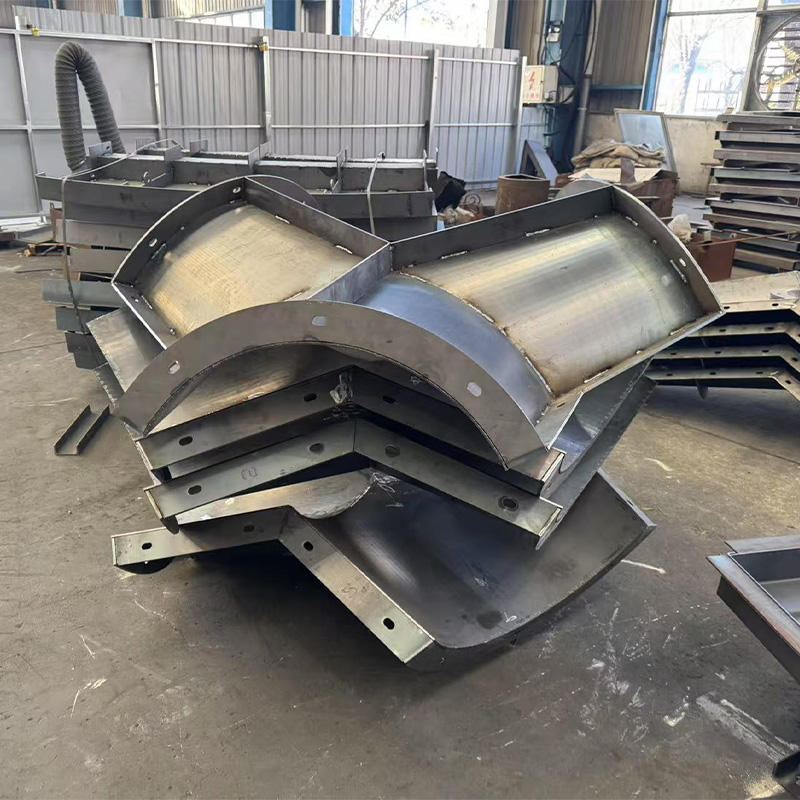
Pouring liquid concrete into a closed shape creates immense outward pressure. A poorly designed mold will warp, bulge, or even burst under the weight.
At Hyson Industry, we don't just weld steel plates together. The manufacturing process is highly calculated. The core of a superior tetrapod mold lies in its material selection:
- The Faceplates: We select the exact thickness of the inner steel plates based on the required concrete volume. A 25-ton block mold requires significantly thicker steel than a 2-ton mold to ensure a perfectly smooth concrete finish without deformation.
- The Reinforcing Ribs: The exterior is reinforced with a dense grid of steel ribs. These ribs act as the "skeleton" of the mold, distributing the massive internal pressure evenly across the structure during the pour and vibration process.
2. Versatility in Scale: From 1 Ton to 25 Tons
Coastal defense projects vary wildly. A calm inner bay might only need small wave-dissipating blocks to stabilize a local beach, while a deep-sea commercial port facing typhoons requires absolute monsters.
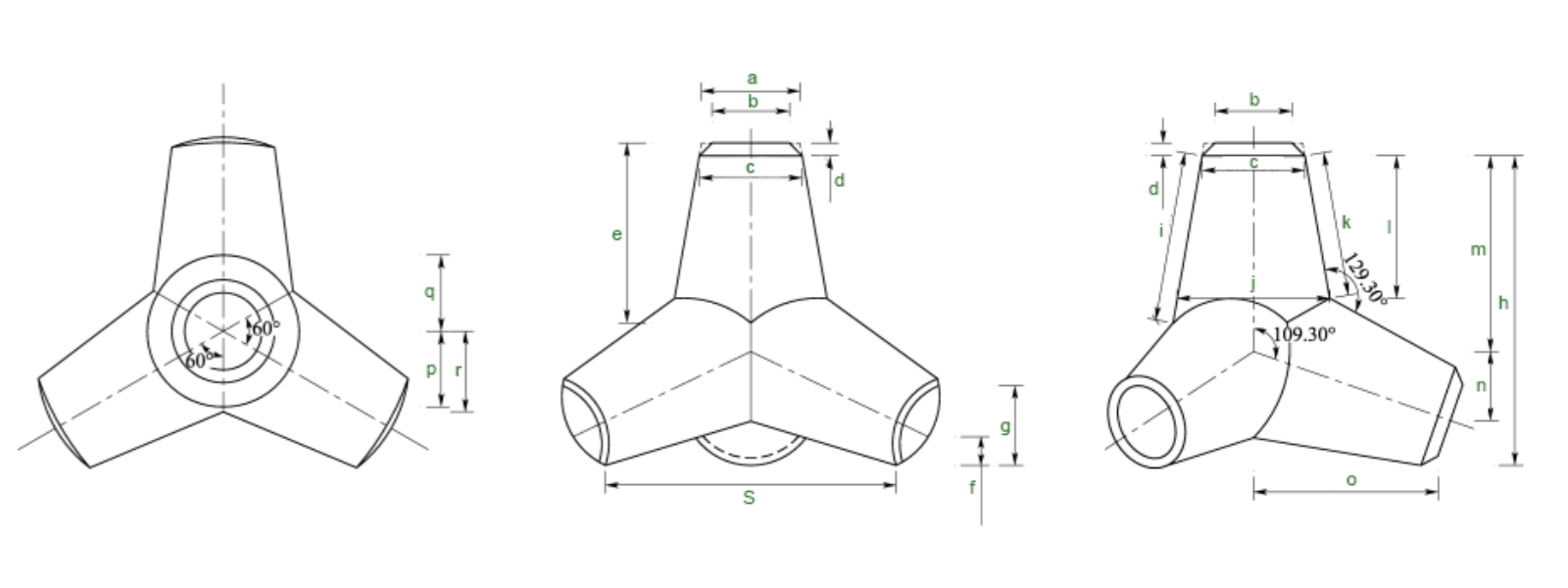
Our production lines are equipped to handle total customization. Whether your project specifications call for 1-ton, 5-ton, 10-ton, or massive 25-ton tetrapods, we scale the engineering accordingly. The geometric accuracy is strictly controlled, ensuring that when the blocks are finally cast and deployed, they interlock perfectly to form an unbreakable barrier against the sea.
3. Smart Operation: Built for the Job Site
Industrial manufacturing must serve site efficiency. A mold can be strong, but if it takes hours to assemble and strip, it is eating into your project's profit margins.
Our tetrapod molds are designed with operational simplicity in mind. Excellent craftsmanship ensures that the seams align perfectly (preventing grout leakage), and the lifting lugs and locking mechanisms are placed ergonomically. This allows the crane and site crew to strip the molds quickly and safely once the concrete has cured, speeding up your block-production cycle.
Secure Your Coastline with the Right Formwork
The ocean is unforgiving, and the infrastructure we build to face it must be equally resilient. It all starts with a high-quality mold.
Are you supplying or managing a breakwater, seaport, or coastal reclamation project? 👉 [Contact Hyson Industry today with your block specifications for a custom engineering review and competitive quote.]