Jun 26, 2026
Why Switch to Ringlock Scaffolding? Benefits & Selection Guide (Series 60 vs 48)
In the competitive world of construction, efficiency is profit. The traditional "Tube & Clamp" system is fading. Taking its place is the Ringlock Scaffolding System (also known as the "Rosette" syst
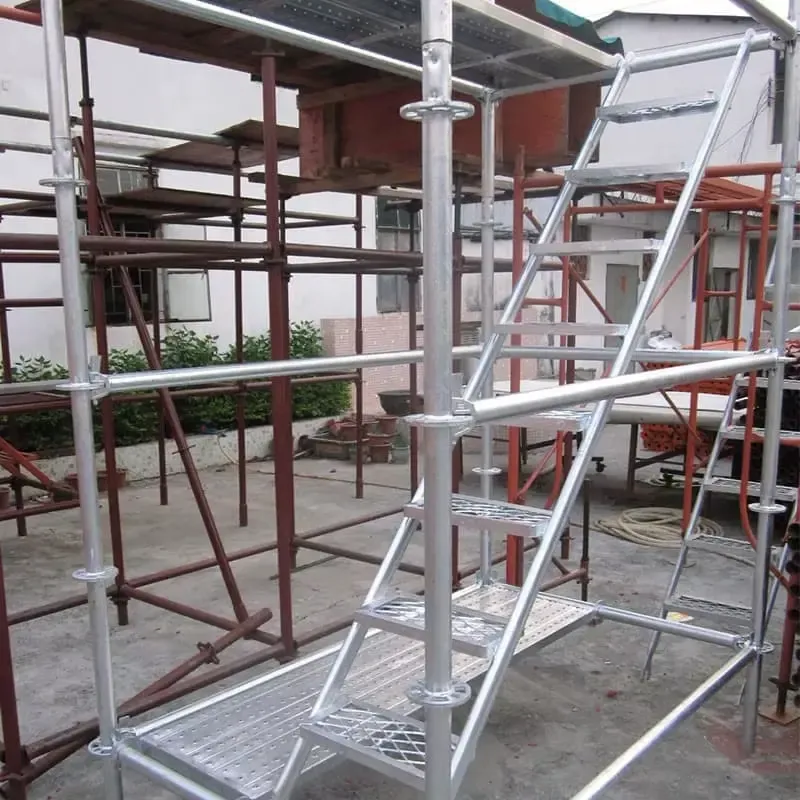
In the competitive world of construction, efficiency is profit. The traditional "Tube & Clamp" system is fading. Taking its place is the Ringlock Scaffolding System (also known as the "Rosette" system). But is it worth the investment? This guide breaks down the ROI and technical advantages.
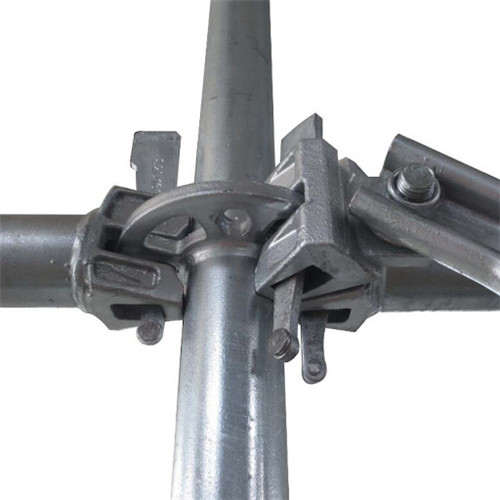
1. The "Rosette" Advantage: Engineering Genius
Unlike complex bowl-buckle systems, Ringlock uses a simple 133mm disc (Rosette) welded every 0.5m.
- Stability: 8 holes allow for multi-directional connection.
- Speed: A wedge pin locks the joint instantly with a hammer blow.
- Result: A stable geometric structure that handles shear and axial loads far better than any predecessor.
2. Q345B Steel: Stronger, Lighter, Safer
We manufacture our Ringlock system using Low-Alloy Q345B Steel.
- Strength: 1.5-2 times stronger than traditional Grade 20 carbon steel.
- Capacity: A single Series 60 standard can bear up to 10.3 tons.
- Efficiency: Because it's stronger, you need less steel to support the same weight, reducing transport and labor costs by ~30%.
3. Selection Guide: Series 60 vs. Series 48
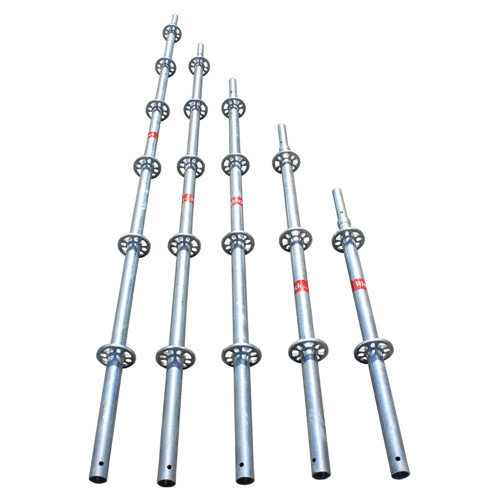
According to JGJ231-2021 standards, choosing the right type is crucial:
Feature | Type A (Series 60) | Type B (Series 48) |
Diameter | 60mm | 48mm |
Connection | Internal Spigot | Outer Sleeve |
Best For | Heavy Duty (Bridges, Tunnels, Industry) | General (Housing, Decoration, Stages) |
Key Benefit | Maximum Load Capacity | Versatility & Light Weight |
Upgrading to Ringlock is not just buying steel; it's buying speed and safety. [Contact us] for a comparative quote against your current system.