Sep 14, 2026Project Case Studies
Which System is Right for Your Next Build?
If pouring concrete is like making a giant jelly dessert, then the formwork is the mold that dictates the final shape. While timber and plywood are the usual suspects on a job site, when you hit big p
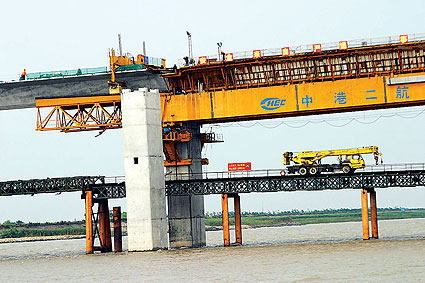
If pouring concrete is like making a giant jelly dessert, then the formwork is the mold that dictates the final shape. While timber and plywood are the usual suspects on a job site, when you hit big projects with high standards, it’s time to call in the heavyweight champion: Steel Formwork.
Steel is tough, highly reusable, and leaves a concrete finish as smooth as glass. But steel formwork isn't a one-size-fits-all deal. Today, we’re breaking down the main types of steel formwork systems so you can figure out which one is the perfect match for your site.
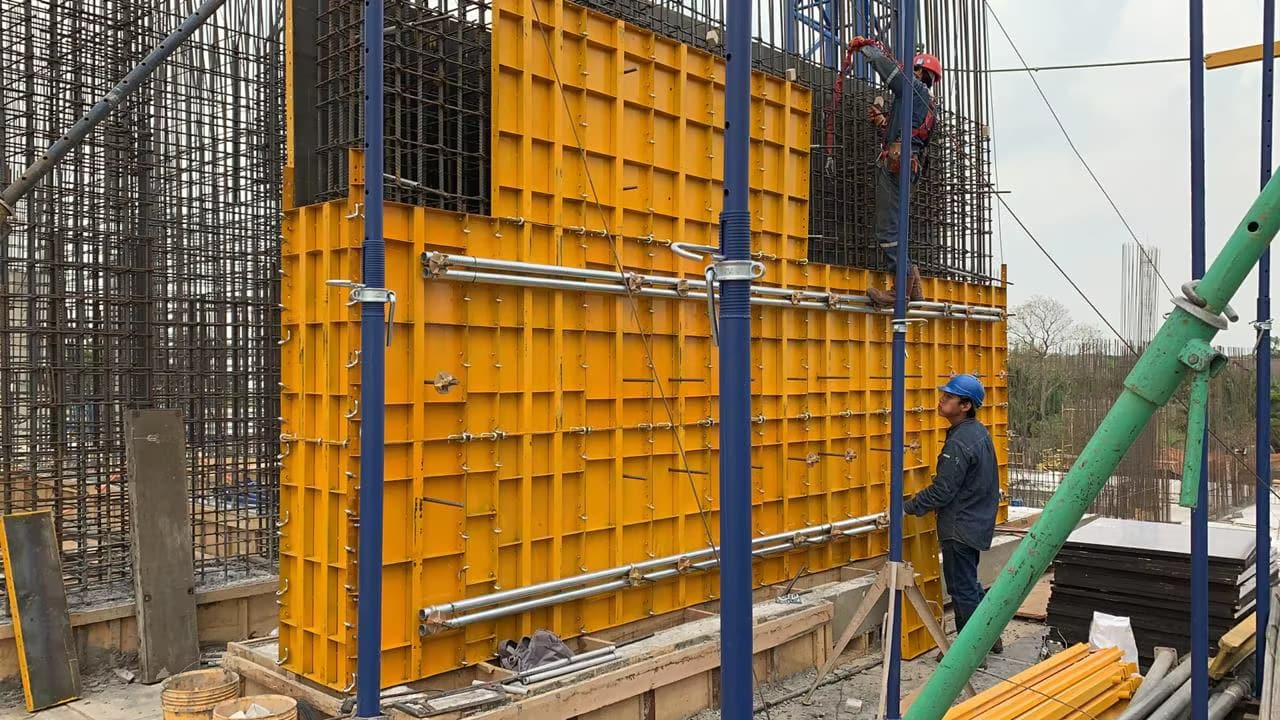
1. Modular/Panel Steel Formwork: The "Giant Legos" of Construction
This is the bread and butter of steel systems. It consists of standard-sized steel panels and frames that lock together using pins, wedges, or U-clips.
- Best for: Straight walls, foundation beams, and large slab areas.
- Why use it: Ultimate flexibility. Crews can snap them together like giant Legos to fit various dimensions. Though individual panels are heavy, the assembly logic is foolproof, and you can reuse these panels hundreds of times.
2. Circular/Column Formwork: The "Perfect Curve" Makers
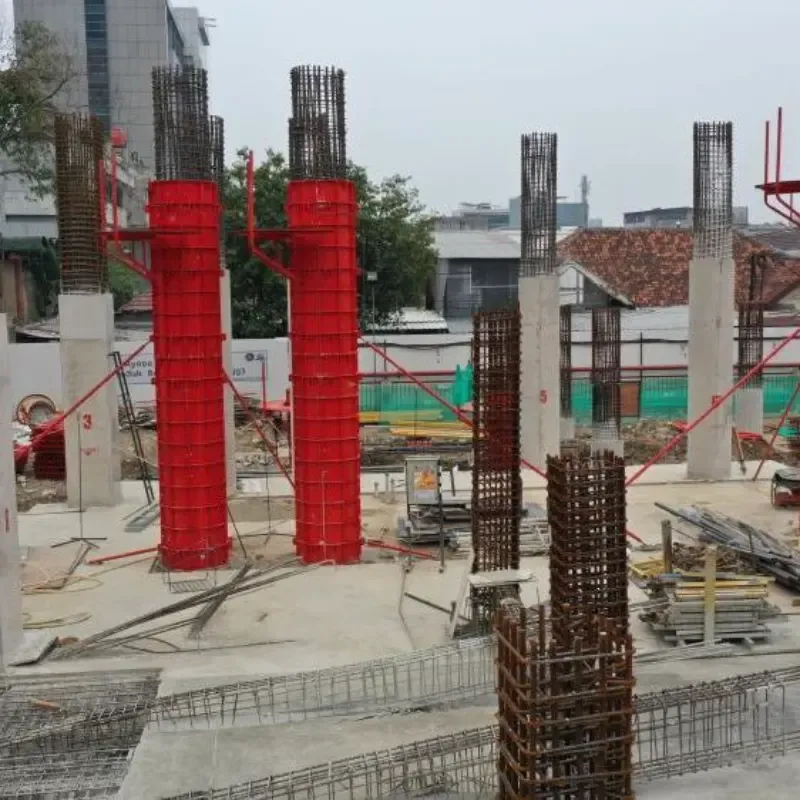
Square columns are easy enough, but when you need to pour tall, thick circular columns (like bridge piers or parking garage pillars), plywood just can't handle the pressure. You need dedicated circular steel forms.
- Best for: Bridge piers and architectural circular columns.
- Why use it: Typically made of two half-circle steel molds. You clap them together, tighten the bolts, and you’re good to go. They withstand immense lateral concrete pressure, ensuring your column comes out perfectly cylindrical with zero "bulging."
3. Climbing Formwork: The "Spiderman" of High-Rises
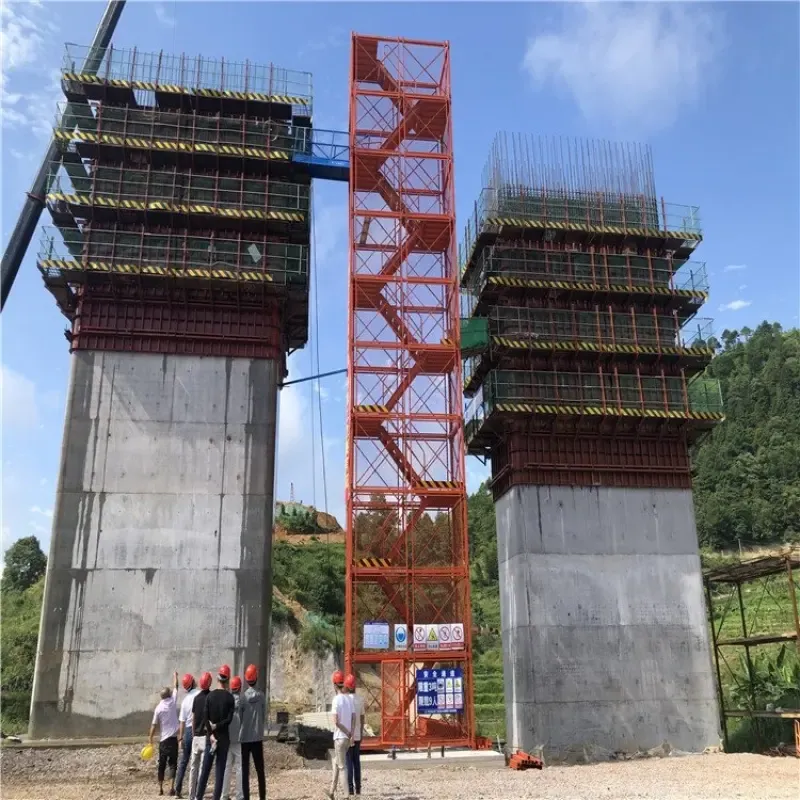
When building supertall skyscrapers or massive bridge pylons, stripping panels and waiting for the tower crane to move them up one floor at a time is a logistical nightmare. Enter climbing formwork.
- Best for: Elevator cores of skyscrapers, tall bridge pylons.
- Why use it: Just like the name suggests, it climbs! Powered by hydraulic jacks (or sometimes crane-assisted), the entire formwork rig detaches and "climbs" up the wall to the next pouring position. It frees up your crane time massively and cuts down on manual stripping labor.
4. Tunnel & Custom Formwork: "Haute Couture" Concrete
Architects love designing weird and wonderful shapes. When standard panels won't cut it, you have to get steel forms custom-fabricated. A popular variation of this is Tunnel Formwork.
- Best for: Hotel rooms, prison cells (where you want to pour walls and the ceiling slab simultaneously), and irregular architectural geometry.
- Why use it: A tunnel form looks like an inverted "U", allowing you to cast the walls and the deck in one single, monolithic pour. Yes, the upfront customization cost is astronomical, but for highly repetitive room layouts, the speed gained during the cycle easily offsets the initial investment.
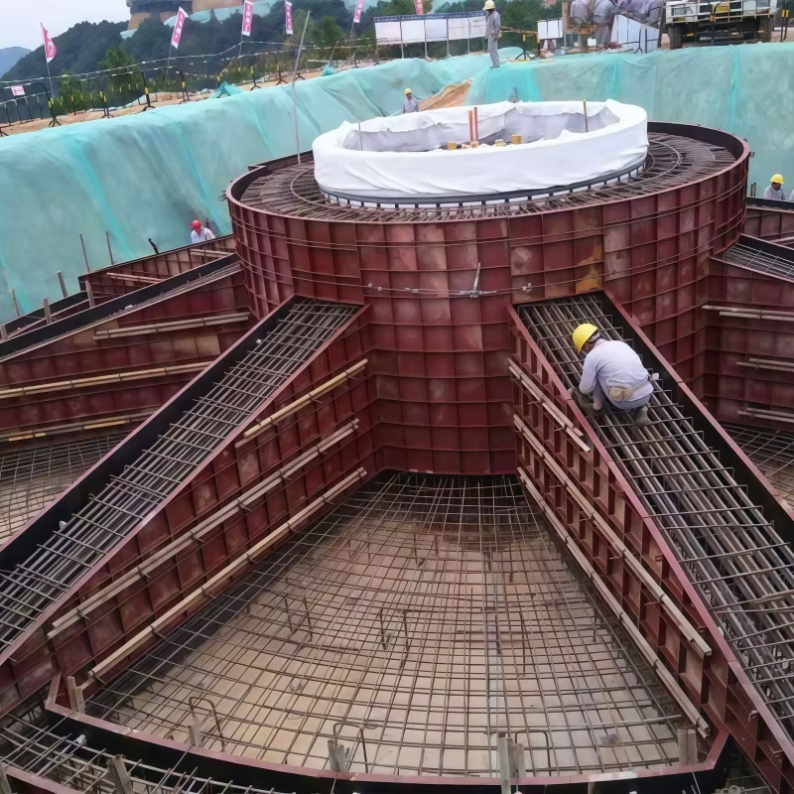
Choosing the right steel formwork system is all about balancing your initial budget with your desired construction speed. Learn how to leverage the right heavy-duty mold, and your project will run smoother than a fresh concrete finish!